Tastenexa
Allergy-friendly meal planning (without the nightly research project)
Food allergies turn “what's for dinner?” into a literature review. Every recipe must be cross-examined, every label squinted at. Here's how to make allergy-safe planning systematic — so the checking happens once, not every night.
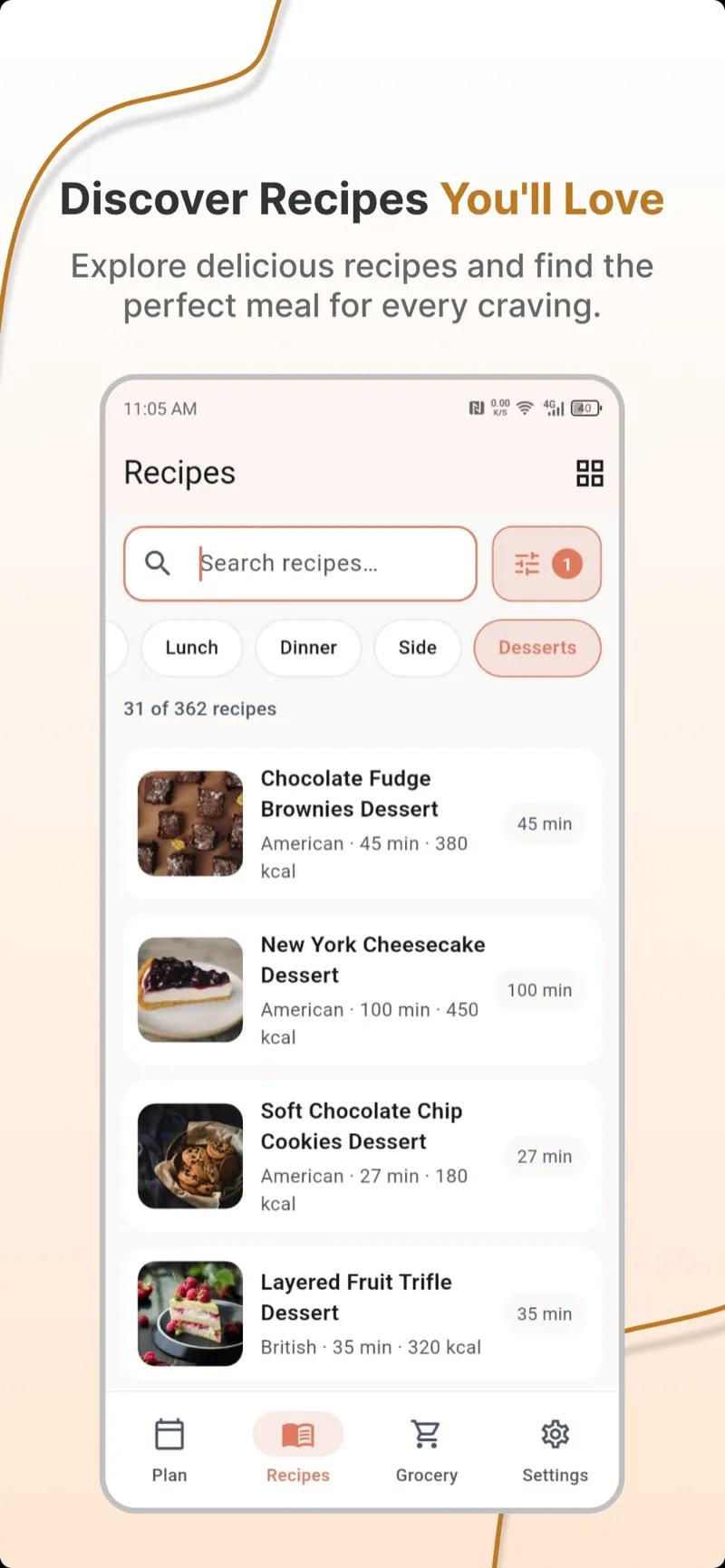
If you or someone at your table has a food allergy, you already know the routine: find a recipe that looks good, scan the ingredients, spot the problem, find a substitute, re-scan, repeat. It's not hard any single time — it's the compounding that wears you down. And worn-down checking is exactly when mistakes happen.
Allergy, intolerance, or preference — why the distinction matters
An allergy involves the immune system and can have serious consequences — it calls for hard, uncompromising exclusion. An intolerance (like lactose intolerance) is uncomfortable but dose-dependent. A preference is everything else. For planning purposes the distinction is operational: allergies get excluded from every recipe automatically with no exceptions; preferences get filtered too, but you can override them when a recipe is worth it.
The hidden-ingredient problem
The recipes that get you aren't the ones that announce their allergens — it's the ones that hide them in plain sight:
- Gluten lives in soy sauce, malt vinegar, some broths and spice blends, and many processed meats.
- Dairy hides behind “non-dairy” labels (casein and whey are milk proteins and can still be present), and sneaks into deli meats, granola bars, and “butter flavoring.”
- Nuts appear in pesto (pine nuts), granola, crackers, and a long list of sauces — plus the vague, unnerving “may contain” line.
- Fish shows up where nobody expects it: Worcestershire sauce (anchovy) and Caesar dressing.
- Cross-contact at the store: bulk bins, bakery counters, and deli slicers are shared-equipment zones.
Manually catching all of this, across every recipe, every week, forever, is a system built for eventual failure. Which is the actual argument for —
Hard filters beat hoping
The reliable version of allergy-safe planning moves the exclusion upstream to the plan itself: your allergens are declared once, and every recipe the plan suggests is already free of them. No nightly cross-examination, no fatigue-shaped holes in your checking. You eyeball the final ingredient list as a second layer of defense — but the first layer never gets tired.
That's precisely how Tastenexa handles the big five: gluten, dairy, shellfish, peanuts, and tree nuts are hard-filtered from every suggested recipe when you mark them in your profile. The exclusion happens at generation time, not at 6 p.m. on Wednesday.
App filters and home cooking remove most risk, but packaged products change formulations. When cooking for someone with a severe allergy, always read the actual label of every packaged ingredient, and follow the guidance of their allergist. Plan filters are a powerful assistant — not a replacement for medical advice or your own final check.
Planning around the big five — quick swaps that actually work
- Soy sauce → tamari or coconut aminos (gluten-free by default).
- Parmesan finish → nutritional yeast or a hard sheep's-milk cheese if dairy is the issue only with cow's milk — otherwise olive oil, lemon, and salt.
- Peanut butter → sunflower-seed butter or tahini (watch for shared-facility labels).
- Worcestershire → anchovy-free versions (or omit + a splash of soy/tamari) for fish allergies.
- Cream sauces → coconut, cashew (if tree nuts are safe), or silken-tofu bases for dairy-free cooking.
The pattern: find the flavor job the allergen does (salt, fat, umami, creaminess) and hire a substitute for the job. Which diet style you pair it with changes the toolkit — see choosing a diet style if you're stacking constraints.
Cross-contact basics at home
- Clean before you cook, not just after — counters, boards, and knives that touched the allergen earlier today still carry it.
- Separate boards and a dedicated toaster are the two highest-ROI tools for gluten-free kitchens.
- Wash hands and utensils between tasks; a shared stirring spoon is a delivery vehicle.
- Store safe foods sealed and above allergen-containing ones — crumbs fall down, not up.
Beyond allergies: the “no thanks” list
The same mechanism that excludes allergens is criminally underused for dislikes. If cilantro tastes like soap to you (that's a real genetic thing, not a character flaw), or the texture of mushrooms ruins a dish for you, those deserve the same hard filter. Tastenexa lets you block up to 119 individual ingredients — the plan simply never suggests recipes that need them, and you stop negotiating with your own dinner.