Tastenexa
Gluten-free meal planning without the guesswork
The easiest gluten-free week is built from food that never had gluten in it. The guesswork starts when you rely on substitutes and memory.
Gluten-free meal planning gets tiring when every dinner starts with a scavenger hunt. You open a recipe, check the soy sauce, check the oats, check whether the broth is actually just broth, and still wonder about the toaster. The way out is a system: choose meals that are naturally free of wheat, barley, and rye, read the few labels that matter, and set the kitchen up so you are not relying on a perfect memory at 6 p.m.
This is a planning guide, not medical advice and not a diagnosis. If you avoid gluten because of celiac disease or another condition a clinician is treating, their instructions come first — including how strict cross-contact needs to be. Use this article for the weeknight layer: what to cook, how to shop, and how not to rebuild the decision every day. The wider habit is in allergy-friendly meal planning.
Prefer food that is already gluten-free
A lot of normal dinners never involved gluten. Rice, potatoes, corn tortillas, meat, fish, eggs, beans, vegetables, fruit, cheese, and plain yogurt are the backbone. When the week is built from those, you buy fewer specialty products and you spend less time decoding bread.
- Bases: rice, potatoes, polenta, corn tortillas, quinoa.
- Meals that behave: taco bowls, sheet-pan dinners, chili, curries, omelets, rice bowls, soups you thickened without flour.
- Substitutes when you actually miss the thing: one gluten-free bread or pasta you have already tested, not seven.
Substitutes are optional and often expensive. They also vary. A pasta that turns to paste will not become your Thursday plan. Test one product on a weekend, keep it if you like it, and do not let the rest of the week depend on it.
The labels worth reading every time
Naturally gluten-free food still gets gluten in the seasoning. Build a short watch list and use it until it is automatic.
- Soy sauce and many “Asian” sauces. Standard soy sauce contains wheat. A gluten-free tamari or a sauce you have checked can take its place. Do not assume.
- Soups, broths, and spice blends. Flour and malt hide in the ingredient line, not the front of the jar.
- Oats. Oats are a frequent cross-contact food. If you need oats that are handled as gluten-free, buy them labeled that way and do not borrow from a shared canister.
- Processed meats, marinades, and fried foods. Coatings and shared fryers are a common surprise. If cross-contact matters for you, ask before you order the fries.
- Malt, barley, rye, brewer’s yeast on a label mean the product is not for this plan.
When a sauce passes the test, it becomes a house sauce. Put a mark on the lid if more than one person cooks. The goal is to stop re-reading the same bottle every Tuesday.
A week with almost no substitute products
Use the calendar first, the way how to meal plan for the week describes. Then fill nights with meals that do not need a gluten-free impersonation of something else.
- Monday: Corn-tortilla tacos or a taco bowl. Meat or beans, cabbage, salsa, a sauce you have checked.
- Tuesday: Sheet-pan chicken or sausage with potatoes and peppers. Read the sausage label before it is the plan.
- Wednesday: Rice and a curry or a tomato chickpea skillet. No naan required for it to be dinner. Add it only if you have a gluten-free version you like.
- Thursday: Fried rice with the leftover rice, eggs, vegetables, and gluten-free tamari. A leftover night that is still gluten-free.
- Friday: Baked potatoes with chili, beans, or leftover protein. Toppings on the side.
- Weekend: Eggs and fruit, or a long soup you thickened with a potato or with rice, not with a flour roux.
Shop that list once. The overlap — onions, a salsa, rice, a protein — is what keeps the bill from becoming a specialty-store receipt. More on that in how to build a grocery list that saves money.
A shared kitchen without constant negotiation
If everyone in the house avoids gluten, the kitchen is simple: do not bring the ingredients in. If only one person avoids it, you need a few physical rules. Memory will not hold at dinnertime.
- A separate toaster or a dedicated pan for gluten-free bread, if bread is in the house at all. Crumbs are the whole problem.
- Separate spreads. A knife that touched regular bread should not go back into the jam, butter, or peanut butter.
- A marked cutting board for the gluten-free prep if you bake or slice regular bread nearby.
- Gluten-containing foods stored below uncovered gluten-free foods. Crumbs fall down.
- One shelf or one bin for the sauces and grains that are safe, so nobody has to guess which pasta is which.
Wash hands and spoons between jobs. A shared stirring spoon is enough to undo a careful shop. None of this requires a second kitchen. It requires the same setup every week.
It is easier to add a piece of regular bread to one plate than to remove gluten from a shared pot. Tortillas, rice, and potatoes can be the family base. People who eat gluten can add their own bread on the side.
Restaurants, packed lunches, and the social week
Pack lunches from the dinners you already trust. A new sandwich on an unfamiliar gluten-free roll is a gamble. A rice bowl from last night is not. For restaurants, look at the menu before you are starving and pick a meal that is naturally free of the problem — grilled fish and potatoes, a rice bowl, a salad where you know the dressing — and ask the questions your situation requires about shared fryers and sauces.
Write the risky nights on the plan. A work lunch, a birthday, a travel day. If you know Wednesday is a cafeteria, pack food or decide the order in advance. Guesswork is what happens when that night is blank.
Mistakes that bring the guesswork back
- Assuming “wheat-free” on a front label is the whole story. Read barley, rye, and malt too.
- A different bread every week. You never learn which one you like, and you keep paying for the experiment.
- Borrowing a roommate’s spice jar that has been double-dipped with flour tortillas all year.
- Planning seven substitute-product dinners. They cost more and still need a label check. Naturally gluten-free meals are calmer.
- No system for other allergens. Gluten is often not the only filter. Dairy-free planning, if you need both, is the same machinery — see dairy-free meal planning.
Put the filter upstream
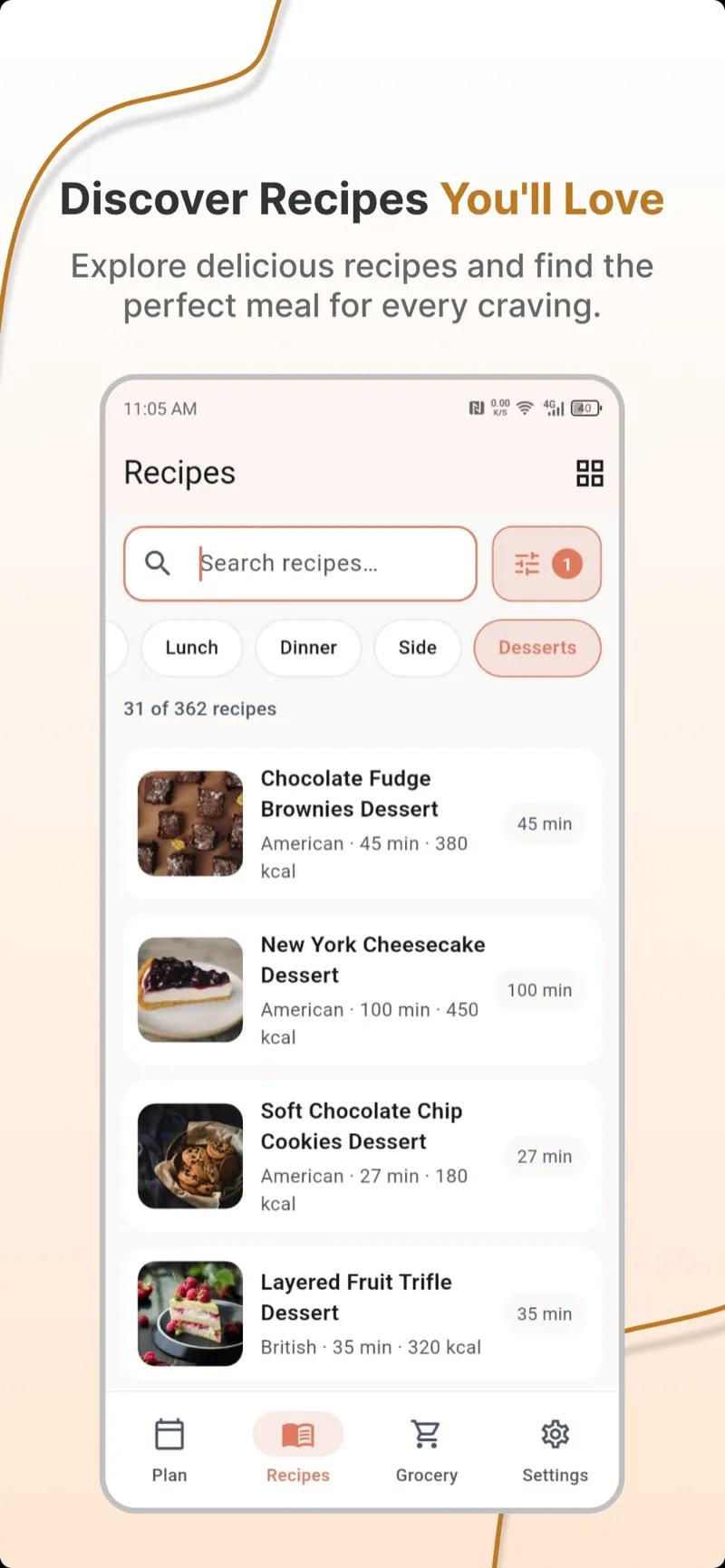
The guesswork shrinks when gluten is excluded before a recipe ever lands on the plan. You should not collect seven meals and then discover two of them depend on soy sauce and a roux. Filter first, then shop. The recipe library is easier to browse once you know the meal does not start with a wheat pasta.
Pick four naturally gluten-free dinners this week. Mark the two products you still need to read. Set the toaster rule once. That is the plan. Next week you should be able to repeat it without re-deriving dinner from a label at the cutting board.