Recepieplanning
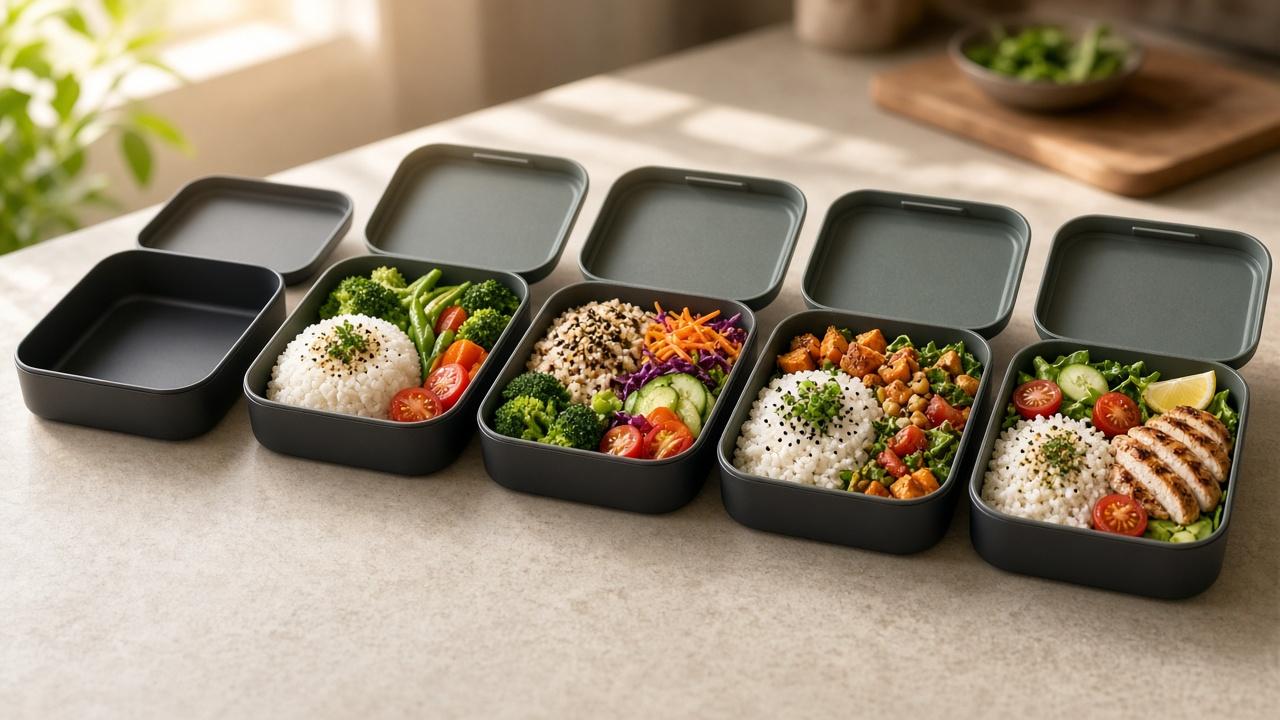
A 5-day meal plan is often more honest than a 7-day grid. Many households cook with structure on work nights and improvise on weekends. Planning Saturday and Sunday as if they were Tuesday creates fake failure when you brunch out or eat leftovers standing up. Plan Monday–Friday. Let the weekend be a different job.
This pairs with meal planning for busy people and the clock rule in 30-minute dinners. For a full calendar including weekend projects, use the 7-day meal plan.
Workweek constraints worth writing down
- Latest start time for cooking on weeknights
- Which night is already late (meetings, sports, commute)
- Whether lunchboxes need leftovers
- Hard exclusions: diet, allergies, dislikes
Sample Monday–Friday plan
- Monday — sheet-friendly chicken. Lemon herb chicken.
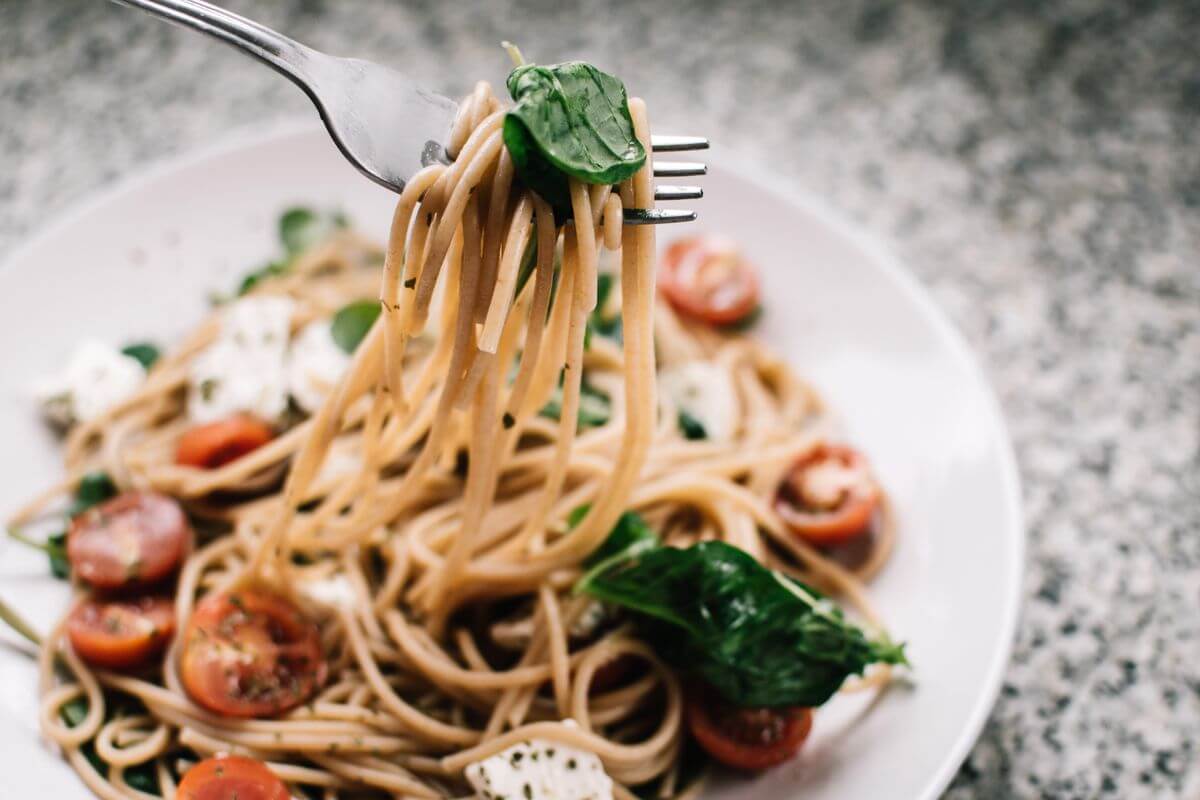
- Tuesday — pasta night. Mushroom and spinach pasta.
- Wednesday — leftover remix or egg fried rice.
- Thursday — curry + rice (make extra rice Monday if you batch). Chickpea curry.
- Friday — stir-fry or fish. Beef and broccoli or baked cod.
If Thursday always runs long, Thursday is eggs or leftovers — not a new sauce. Ambition belongs on Monday.
Grocery for five nights only
Shop the five dinners. Do not “just in case” the weekend. If brunch happens, you did not waste fish. Merge the list with grocery list habits. Keep a tiny always-shelf: eggs, frozen vegetables, tortillas or rice.
Weekend is not a moral test
Write “open” on Saturday and Sunday. Or write one optional batch cook if you like Sunday projects — Sunday meal prep schedule. The 5-day meal plan succeeds when Friday’s dinner happens. Everything else is bonus.