Tastenexa
How to stop food waste with smarter meal planning
Food waste is rarely a morals problem. It is a planning bug: food enters the house without a job, and the week never makes one for it.
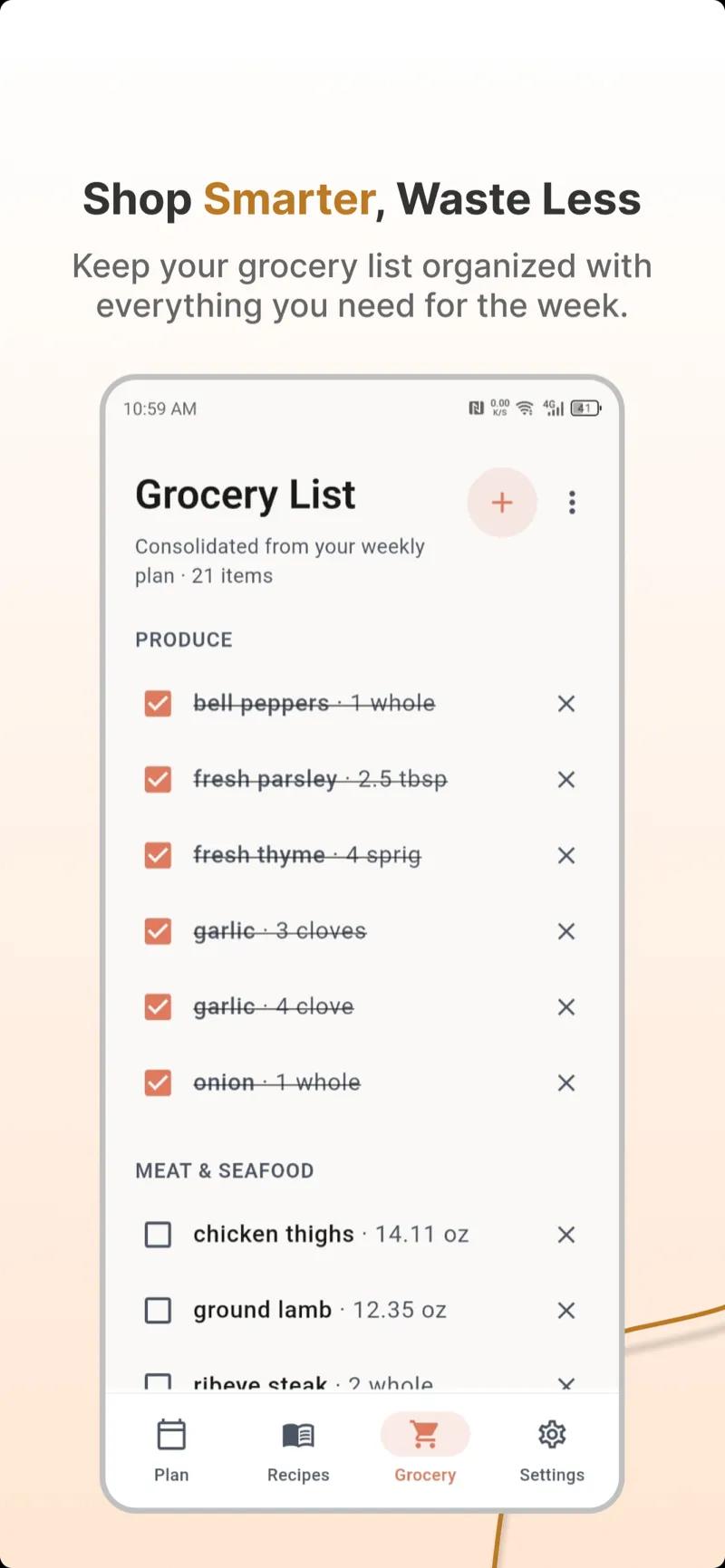
If you want to know how to stop food waste, look in the bin before you look for a new storage trick. The slimy herbs, the half onion, the yogurt that expired behind the leftovers, the chicken you meant to cook before dinner out appeared — those are planning failures. They feel like personal failures because you were standing there when you threw them away. The fix is upstream, when the list is written.
You do not need a zero-waste identity. You need every fresh item to have a job this week, a night that is allowed to eat leftovers, and a freezer rule for the food that will not be eaten in time. That is a calmer standard, and it is the one people keep. The shopping mechanics live in how to build a grocery list that saves money. Waste is what that list is trying to prevent.
Give every ingredient a job
An ingredient without a meal is a maybe. Maybes are what spoil. When you add cilantro, berries, bread, or a family-size bag of spinach to the cart, name the meal out loud. “Cilantro: Monday tacos and Wednesday soup.” If you cannot name a second use for a fragile herb, buy a smaller amount or skip it.
- Fragile: herbs, berries, salad greens, fresh fish, avocados. They need a named day.
- Sturdy: cabbage, carrots, potatoes, onions, citrus. They can wait, but they still need a recipe or they become background clutter.
- Pantry and freezer: the safety net. They are not waste when they sit, as long as you remember they exist.
The weekly plan is where jobs get assigned. If you do not have that plan yet, start with how to meal plan for the week and add one rule: no item on the list unless a night claims it.
Shop the kitchen first
Before you add anything, open the fridge and name what must be eaten in the next two days. That is the start of the plan, not an inconvenience on the way to the plan. Then check the pantry for duplicates. A second bottle of soy sauce does not spoil as fast as spinach, but it is still waste you paid for.
Put the “use first” foods at eye level. A beautiful drawer system matters less than a single shelf you actually look at when you are hungry. Leftovers go in clear containers, labeled with the day you should eat them. Future-you will not do date arithmetic.
Anything that will not last past tomorrow gets a job today: an omelet, a soup topping, a lunch bowl, or the freezer. Waiting until you “feel like it” is how it becomes a decision for the bin.
Plan a leftover night on purpose
Leftovers feel optional when every night has a brand-new recipe. They get eaten when one night says “eat what is open.” Put that night on the calendar. Wednesday is a popular choice because Sunday prep and Monday cooking have produced something by then. Your life may want a different day. The point is that the night exists before the food does.
Cook a little extra of the base on purpose: extra rice, extra beans, extra chicken. A remix is a meal. Fried rice, a taco, a soup, a baked potato topping. You are not “being good.” You are cashing the meal you already paid for. Busy weeks can treat this as night 3 of the system in meal planning for busy people.
Use the freezer as a second plan
The freezer is not a place where food goes to be forgotten in a new way. It is a plan with a longer clock. It works when you freeze food you will recognize later.
- Freeze in portions you will actually thaw. A flat bag of soup for two beats a brick you have to deface with a knife.
- Label with the name and the month. “Chili, Nov” is a meal. “Misc” is a future mystery you will throw away anyway.
- Freeze bread in slices, berries on a tray, herb stems in oil, cooked beans, and leftover stock. These are the saves that happen often.
- Do not freeze food that is already tired. Freezing pauses quality. It does not reverse a week in the fridge.
Once a month, eat from the freezer on purpose. Put “freezer meal” on the plan so those portions leave. A freezer you only add to is just a colder bin. If you batch cook, this is half the method in the batch cooking guide.
Most cooked leftovers are at their best within three or four days in the fridge. If you will not eat them by then, freeze them on the day you cook them, not on the day you start to worry.
A week shaped to empty the fridge
Here is a pattern that uses food twice without a special appliance.
- Monday: A roast or a skillet with vegetables and a grain. Save a portion of the protein and the grain.
- Tuesday: Salad or bowls that finish the fragile greens and herbs while they are still good.
- Wednesday: Leftover night. The saved grain, the saved protein, an egg or a handful of frozen vegetables.
- Thursday: A soup, taco, or fried rice that is allowed to use the open jars and the last onion.
- Friday: A pantry meal that does not require a fresh shop: eggs, pasta, canned beans, frozen vegetables.
Notice Friday does not introduce a new bunch of herbs. The end of the week is for finishing, not for restocking the problem. Money follows the same shape. The budget version is budget meal planning.
Herbs, bread, and the other usual suspects
- Herbs: plan two meals or buy less. Parsley and cilantro can finish a soup and a taco in the same week. A bouquet with one job is optimistic.
- Bread: freeze what you will not eat in two days. Toast from frozen is a normal breakfast, not a downgrade.
- Berries and greens: wash greens, dry them, and store them with a towel. Eat berries early in the week. Do not wash berries until you eat them if they tend to mold in your fridge.
- Half an onion or a lemon: put it in a visible container and give it to the next meal. The door is where food goes to be forgotten. Eye level is where it gets used.
- Takeout and leftovers from restaurants count too. They need a named lunch, or they are an expensive way to fill the bin.
Run a one-week waste audit
For seven days, write down what you throw away. Not to feel bad. To see the pattern. People usually discover one of three things: they buy salad they do not eat, they cook more than the week can hold, or they lose food in the back of the fridge. Next week’s plan starts with that note. Buy less of the ignored food. Cook one night less. Move leftovers forward.
If the pattern is “I forget what I own,” the list and the plan need to live in one place. A weekly planner you actually open is the tool. How to keep using it is in how to use a weekly meal planner you’ll stick to.
What does not help
- Buying more produce to “eat healthier” without assigning it. Intent does not preserve spinach.
- A new container set when the real issue is too many recipes and no leftover night.
- Saving a spoonful of everything. Some leftovers are too small to become a meal. Combine them into one soup or accept that a bite is not a plan. Do not build a museum of jars.
- Guilt as a system. You will shop again. The goal is a smaller bin next week, not a perfect conscience.
This week, assign a job to every fresh item, name a leftover night, and freeze one thing on the day you cook it. That is how to stop food waste in practice. The recipe library is most useful when you filter for meals that share the ingredients already in the house, not when you add a new fragile herb for a single dinner.